
Research
Dry floatation research and evidence
The science of flotation, the evidence for Driifloat, and the biology of deep rest.

Driifloat brings the physical principles of flotation into a dry, accessible format. Its scientific rationale builds on decades of research into flotation-restricted environmental stimulation therapy (Flotation-REST), while emerging studies and internal physiological observations are beginning to explore the effects of Driifloat itself.
The research story has three pillars: established wet-flotation research, commercial studies conducted with Driifloat, and our own HRV and EEG observations.
Together, they provide a foundation for understanding the potential of dry flotation and identifying the biological questions that deserve further investigation.
1. The scientific foundation: traditional flotation research
A long history of studying the effects of flotation
Flotation research began in the twentieth century with investigations into how reducing external sensory stimulation affects human perception, relaxation and consciousness. Subsequent research has explored specific areas in which flotation was investigated or considered potentially applicable, including anxiety, stress, post-traumatic stress symptoms, pain, sleep, eating-related concerns such as anorexia, cardiovascular responses and psychological well-being.
Traditional flotation-REST typically involves lying in warm, highly concentrated Epsom salt solution inside a quiet, low-stimulation environment. The solution supports the body through buoyancy, reducing the effort required to maintain posture and creating distinctive conditions for rest.
Over several decades, researchers have investigated how these conditions affect both subjective experience and measurable physiological responses.
Nevertheless, published human studies provide a scientific basis for investigating flotation as a way to influence relaxation, perceived anxiety and acute physiological responses, while also clarifying the areas in which flotation has historically been studied or proposed as a supportive intervention.
From wet flotation to dry flotation
Driifloat applies the physical principle of flotation in a different way. The body is supported by a dense magnesium sulfate solution, while a thin, tactile membrane separates the user from direct contact with the liquid. The membrane is loosely sized and cannot support the person floating. This preserves the essential buoyancy-based support while allowing the user to remain dry.

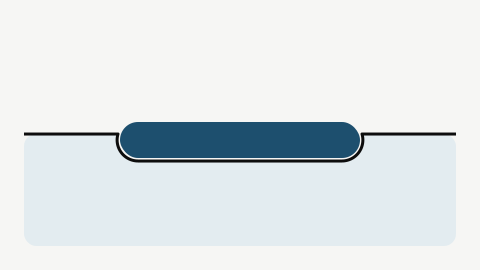
The experience combines several potentially relevant inputs:
- Buoyant support — the liquid supports the body weight, reducing postural effort.
- Reduced external stimulation — a quiet environment and closed eyes reduce incoming sensory information.
- Comfort and warmth — the supported resting position and thermal conditions may facilitate relaxation.
- Practical accessibility — avoiding direct water contact, showers and conventional wet-room requirements makes repeated use easier in more settings.
These shared physical principles provide a rationale for investigating whether findings from traditional flotation research can also apply to Driifloat.
The important scientific question is not simply whether wet and dry flotation look similar. It is which responses to flotation are preserved when the user is separated from the solution by a membrane, and how those responses develop during and after a session.
Our proposition: dry flotation can make the distinctive conditions of flotation available in a format designed for more convenient and frequent use. The potential for increased frequency of use allows the greater possibility for accumulated benefit.
2. Direct evidence: commercial studies of Driifloat
Two programs, two perspectives on the product
Driifloat has been investigated in two separate projects: a structured program conducted by BeScored, Nice, France, and a workplace study associated with Deloitte in Aarhus, Denmark. Each provides a different perspective on the product.
BeScored: a structured four-week program
The BeScored report, Effects of a multi-session flotation program with Driifloat technology, describes a study involving 25 participants: 15 in the Driifloat intervention group and 10 in a control group.
The intervention comprised ten 30-minute sessions over four weeks. Participants were selected for moderate-to-high anxiety or depression symptoms and insomnia symptoms.
Reported change in the Driifloat group
The report also describes increases in HRV measures over the program and improvements in subjective well-being.
The acute cortisol result is particularly relevant: the report records a 39% reduction following a Driifloat session, compared with a 5% increase in the control condition, and reports a statistically significant group-by-time interaction.
- Driifloat
- −39%
- Control
- +5%
The sleep findings require a distinction. Participants reported improved sleep, but the objective actigraphy measurements did not show significant improvements in sleep variables.
These findings are encouraging because the project examined both immediate responses and changes across repeated sessions. The results concern a small pilot population, however, and the reported within-group percentage changes should not be interpreted as the percentage of people helped or as treatment effects of the same magnitude.
Deloitte: dry flotation in a working environment
A separate report, published in January 2025 by Nordic Float Solutions and FloatStudio in collaboration with Deloitte and the Self Science Institute at DTU, describes workplace observations collected between September and December 2024.
- 112Participants
- 656Dry-float sessions
- 74Days of data
The project combined subjective assessments with physiological measurements using Polar H10 ECG sensors.
The report presents reductions in perceived stress and tiredness, improvements in self-reported focus, and changes in heart rate and HRV during sessions. It reports that heart rate commonly fell as participants moved from standing to lying down and settled into the session.
The report also describes changes in HRV frequency-domain measures during flotation. These are physiological observations, although their interpretation depends on measurement conditions, breathing, posture and the specific HRV metric used.
The workplace setting adds a different dimension to the BeScored study. It documents repeated use in a real-world environment rather than only a controlled intervention program.
The results should be read as workplace observations rather than proof of increased productivity or long-term health benefits. The report does not provide sufficient methodological detail to independently verify every headline percentage.
What the two studies contribute
The studies address complementary questions. BeScored examines responses to a structured program over four weeks, including cortisol, questionnaires and physiological measures. The Deloitte report documents repeated workplace use and reports both subjective and physiological changes during sessions.
Neither study establishes every possible benefit of Driifloat. Together, however, they provide direct product-specific evidence that goes beyond extrapolating from traditional wet-flotation research alone.
3. Driifloat’s own physiological observations
What happens during actual Driifloat sessions
Alongside the commercial studies, Driifloat and collaborating practitioners have explored physiological responses using HRV measurements and EEG recordings. These investigations are important because they examine what happens during actual Driifloat sessions, rather than relying exclusively on studies of other flotation formats.
HRV: observations from Theta Clinic
Theta Clinic has used a HeartMath heart-rate variability measurement device to assess clients in connection with Driifloat sessions. The clinic has reported favorable client experiences alongside physiological measurements.
The observations include changes in HRV measures such as RMSSD and Total Power, with substantial increases reported in some individual pre- and post-session comparisons.
HRV describes variation in the time between successive heartbeats. RMSSD is commonly used to assess short-term beat-to-beat variation, while Total Power represents overall variability within the analyzed frequency range.
These measures can provide useful information about cardiovascular regulation, but they are influenced by breathing, posture, recording duration and measurement conditions. A change in HRV is not, by itself, proof of a specific mechanism or a lasting health improvement.
The Theta Clinic observations nevertheless provide a practical basis for further investigation: can the physiological changes observed around individual sessions be reproduced under standardized conditions, and how do they relate to the person's subjective experience?
The next scientific step would be to document the measurement protocol, number of participants, individual results and timing of recordings, allowing the observations to be evaluated systematically.
EEG: a recurring pattern observed during Driifloat
Driifloat has also conducted internal EEG comparisons using a Muse EEG device. The team compared displayed brainwave patterns during ordinary waking activity, meditation/sleep and Driifloat sessions.
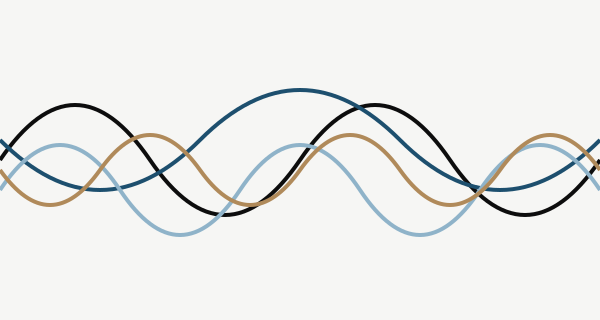
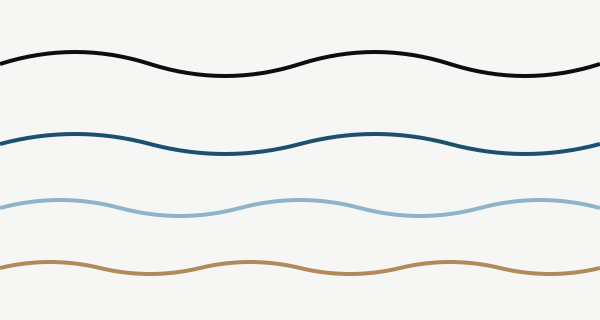
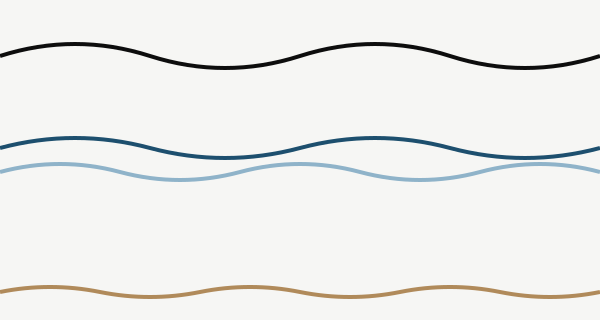
Across three individuals, the team observed a recurring visual difference in the displayed frequency-band patterns.
During ordinary waking activity, the traces appeared complex and heavily intertwined. During meditation/sleep, the traces appeared more separated, with alpha activity prominent in the display. During Driifloat, the team observed a distinct configuration: alpha activity at the top, theta and beta activity in the middle, and the displayed gamma trace substantially lower.
- Alpha
- Theta
- Beta
- Gamma
The recurrence of this pattern across three individuals is the observation that motivates our hypothesis.
4. Bringing the three pillars together
The three evidence streams serve different but complementary purposes.
- 1. Scientific foundationDecades of flotation-REST research
- 2. Commercial studiesDirect evidence from Driifloat programs
- 3. Physiological observationsHRV and EEG during sessions
Traditional flotation research establishes the scientific background. It shows why buoyant support and reduced sensory stimulation are worth investigating as influences on human experience and acute physiology, and identifies the areas in which flotation has historically been studied, including anxiety, stress, trauma-related symptoms, pain, sleep and eating-related concerns.
Commercial studies of Driifloat provide direct product-specific observations, including changes in reported stress, fatigue, anxiety symptoms, cortisol and physiological measures.
Internal HRV and EEG investigations explore individual physiological responses during actual Driifloat sessions. They provide additional observations and hypotheses that can guide more systematic research.
The combined picture is a developing body of evidence: an established scientific foundation, encouraging direct observations from commercial studies, and internal physiological findings that raise further questions.
The objective is not to assume that every finding from traditional flotation automatically applies to Driifloat, nor to treat every internal observation as a proven mechanism. It is to investigate how the physical experience of flotation translates into measurable responses in the dry format.
5. The research direction
Driifloat creates an opportunity to investigate flotation in a format intended for practical, repeated use. That makes several questions especially relevant:
- Which acute physiological responses to traditional flotation are also observed during dry flotation?
- How does HRV data change during a session, and are those changes reproducible?
- Does the recurring EEG pattern observed internally persist under controlled recording conditions?
- How do objective measurements relate to users’ reported experiences?
- Do repeated sessions produce measurable changes beyond the immediate response to resting?
These questions can be investigated progressively, building on the existing research rather than starting from zero.
Make flotation more accessible — and investigate what happens when people can use it more conveniently and repeatedly.
Flotation has been studied for decades, but the practical demands of conventional wet flotation have limited how easily it can be incorporated into everyday environments.
Driifloat retains the essential principle of buoyant support while changing the delivery format. Commercial studies and internal physiological observations provide early evidence worth examining further.
Our scientific position is straightforward: Driifloat is built on established flotation principles, has emerging direct evidence of its own, and presents testable hypotheses about how dry flotation may influence human physiology and the experience of rest.
Selected references
- Lashgari E, Chen E, Gregory J, Maoz U. A systematic review of flotation-restricted environmental stimulation therapy (REST). BMC Complementary Medicine and Therapies. 2025;25:230.
- Millour G, Hausswirth C, Lepers R, Coste A, Duforez F, Bausset O. Effects of a multi-session flotation programme with Driifloat technology. BeScored Institute. Supplied research report.
- Nordic Float Solutions / FloatStudio. Final Report — Deloitte JV. January 2025. Supplied workplace study report, describing collaboration with the Self Science Institute at DTU.
- Flux MC et al. Exploring the acute cardiovascular effects of Floatation-REST. Frontiers in Neuroscience. 2022;16:995594.
- Laborde S, Mosley E, Thayer JF. Heart Rate Variability and Cardiac Vagal Tone in Psychophysiological Research. Frontiers in Psychology. 2017;8:213.
- Muthukumaraswamy SD. High-frequency brain activity and muscle artifacts in MEG/EEG. Frontiers in Human Neuroscience. 2013;7:138.